

Exclusive Wine Travel in Italy

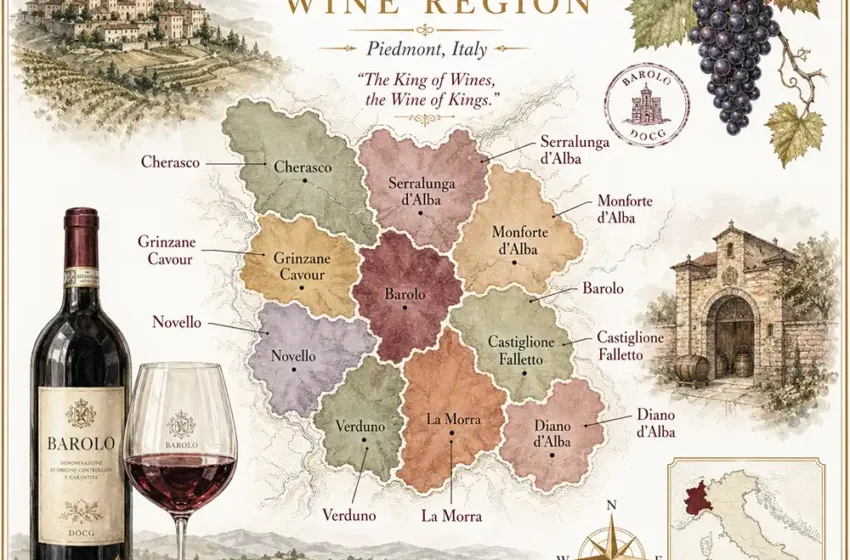
The Barolo wine region is one of the most celebrated wine destinations in the world. Located in the heart of Piedmont in northwestern Italy, this extraordinary area produces the legendary Barolo wine, often referred to as the “King of Wines and the Wine of Kings.” With rolling vineyard-covered hills, medieval villages, exceptional gastronomy, and centuries of winemaking heritage, the Barolo region offers an unforgettable experience for wine lovers and travelers alike.
Whether you are planning a luxury wine tour, exploring Italian wine culture, or searching for the finest Nebbiolo wines, the Barolo wine region deserves a place at the top of your list.
Where Is the Barolo Wine Region?
The Barolo wine region is located in Piedmont, one of Italy’s most important wine-producing regions. Situated south of the town of Alba, the area stretches across the beautiful Langhe hills, a UNESCO World Heritage Site famous for its vineyards, castles, and picturesque landscapes.
Barolo production is concentrated in 11 communes, including:
- Barolo
- La Morra
- Serralunga d’Alba
- Monforte d’Alba
- Castiglione Falletto
- Verduno
- Novello
Each village contributes unique characteristics to the wines thanks to variations in soil, altitude, and microclimate. This diversity is one of the reasons why the Barolo wine region fascinates collectors, sommeliers, and wine enthusiasts from around the globe.
Why the Barolo Wine Region Is So Famous
The reputation of the Barolo wine region comes from its exceptional wines made exclusively from the Nebbiolo grape. Nebbiolo is known for producing complex, age-worthy wines with remarkable aromas and structure.
Barolo wines are typically characterized by:
- Intense aromas of roses, cherries, violets, and truffle
- Powerful tannins
- High acidity
- Extraordinary aging potential
- Notes of leather, spice, tobacco, and earth with maturity
Unlike many modern wines designed for immediate consumption, Barolo often requires years of bottle aging before reaching its full potential. This long evolution has contributed to its prestigious reputation among collectors and fine wine investors.
The region’s combination of calcareous clay soils, favorable climate, and centuries of expertise creates ideal conditions for cultivating Nebbiolo at the highest level.
The History of the Barolo Wine Region
The history of the Barolo wine region dates back centuries, although the wine we know today emerged during the 19th century. Originally, Barolo wines were often sweet because fermentation stopped during the cold winters before all sugars converted into alcohol.
Everything changed when Camillo Benso, Count of Cavour, and French winemaker Louis Oudart helped revolutionize winemaking techniques in the area. They transformed Barolo into the dry red wine style that became internationally famous.
Soon after, Barolo gained popularity among Italian nobility and European royal courts, earning its iconic nickname: “The Wine of Kings.”
In 1980, Barolo officially received DOCG status, Italy’s highest wine classification, confirming its importance in the world of fine wine.
The Unique Terroir of the Barolo Wine Region
One of the most fascinating aspects of the Barolo wine region is its terroir. Even neighboring vineyards can produce dramatically different wines.
The western communes, such as La Morra and Barolo, tend to produce softer, more aromatic wines thanks to clay-rich soils. These wines are often approachable earlier in life.
Meanwhile, eastern communes like Serralunga d’Alba and Monforte d’Alba are known for producing more structured, powerful, and long-lived Barolos due to sandstone-heavy soils.
Some of the most prestigious vineyards in the region include:
- Cannubi
- Brunate
- Cerequio
- Rocche dell’Annunziata
- Bussia
Wine lovers visiting the Barolo wine region quickly discover how deeply terroir influences every bottle.
Traditional vs Modern Barolo
The Barolo wine region is also famous for its ongoing debate between traditional and modern winemaking styles.
Traditional producers generally use:
- Long macerations
- Large Slavonian oak barrels
- Extended aging periods
These wines are often austere in youth but develop incredible complexity over decades.
Modern producers introduced techniques such as:
- Temperature-controlled fermentation
- Shorter maceration
- French oak barriques
These wines tend to be fruitier, softer, and more accessible at a younger age.
Today, many wineries combine elements of both philosophies, creating balanced wines that preserve Barolo’s identity while improving elegance and drinkability.
Visiting the Barolo Wine Region
Traveling through the Barolo wine region is an unforgettable experience for wine enthusiasts. Beyond the wines themselves, the area offers breathtaking landscapes, luxury hospitality, and world-class gastronomy.
Visitors can enjoy:
- Private wine tastings
- Vineyard tours
- Truffle hunting experiences
- Michelin-starred restaurants
- Historic wine cellars
- Scenic drives through the Langhe hills
The village of Barolo itself is a charming destination filled with wine bars, boutique hotels, and panoramic vineyard views.
Nearby Alba is another essential stop, especially during autumn when the famous White Truffle Festival attracts visitors from around the world.
For travelers seeking authentic Italian wine culture, few destinations compare to the beauty and sophistication of the Barolo wine region.
Food Pairings With Barolo Wines
Barolo wines pair exceptionally well with rich and flavorful dishes. Thanks to their structure and acidity, they complement many traditional Piedmontese specialties.
Popular pairings include:
- White truffle risotto
- Braised beef
- Wild game
- Aged cheeses
- Mushroom dishes
- Handmade tajarin pasta
The culinary culture of Piedmont perfectly matches the elegance and depth of Barolo wines, making the region a paradise for food and wine tourism.
Best Time to Visit the Barolo Wine Region
The Barolo wine region can be visited year-round, but the most popular seasons are autumn and spring.
Autumn is particularly magical because:
- Vineyards turn golden and red
- Truffle season begins
- Harvest activities take place
- Temperatures remain pleasant
Spring offers green landscapes, fewer crowds, and ideal conditions for wine tastings and countryside exploration.
Summer can also be beautiful, although temperatures may become quite warm.
Why Wine Lovers Should Experience the Barolo Wine Region
The Barolo wine region represents the perfect combination of history, terroir, gastronomy, and luxury travel. It is more than just a wine destination — it is a cultural experience deeply connected to Italian tradition and craftsmanship.
From legendary Nebbiolo wines to spectacular vineyard landscapes, Barolo continues to captivate wine lovers from every corner of the world. Whether you are discovering Barolo for the first time or returning to explore its famous crus and wineries, the region always offers something extraordinary.
For travelers seeking unforgettable wine experiences in Italy, the Barolo wine region remains one of the most iconic and rewarding destinations imaginable.
What Wine Region Is Barolo In?
Barolo is in the Piedmont wine region of northwestern Italy, specifically in the Langhe hills, just south of the town of Alba. The Barolo wine region is one of Italy’s most prestigious DOCG areas and is entirely dedicated to producing Barolo from the Nebbiolo grape. Although Piedmont is home to many famous wines, including Barbaresco, Barbera d’Alba, Dolcetto, and Moscato d’Asti, Barolo remains its most iconic red wine.
The production area includes 11 communes, with the most famous being Barolo, La Morra, Monforte d’Alba, Serralunga d’Alba, Castiglione Falletto, Verduno, and Novello. Each village has its own personality, and this is one of the reasons the Barolo wine region is so fascinating. Wines from La Morra are often more elegant and aromatic, while Barolos from Serralunga d’Alba and Monforte d’Alba tend to be more powerful, structured, and long-lived.
The landscape is also part of the region’s appeal. The Langhe hills are covered with vineyards, castles, small villages, and panoramic roads, making Barolo not only a world-class wine region but also one of the most beautiful places to visit in Italy for wine tourism.
So, when people ask what wine region Barolo is in, the clear answer is: Barolo is in Piedmont, within the Langhe area of northern Italy. More specifically, it belongs to the Barolo wine region, a protected DOCG appellation known for producing some of the finest Nebbiolo wines in the world.
Is Barolo a Tuscan Wine?
No, Barolo is not a Tuscan wine. Barolo comes from the Barolo wine region in Piedmont, which is located in northwestern Italy. Tuscany, by contrast, is in central Italy and is famous for wines such as Chianti Classico, Brunello di Montalcino, Vino Nobile di Montepulciano, and Super Tuscans.
The confusion is understandable because both Barolo and Tuscan wines are among Italy’s most prestigious reds. However, they are made from different grapes, grown in different climates, and express very different styles. Barolo is made exclusively from Nebbiolo, a grape known for its floral aromas, high acidity, firm tannins, and impressive aging potential. Tuscan reds are most commonly based on Sangiovese, especially in Chianti and Brunello, although international grapes such as Cabernet Sauvignon and Merlot are also used in some Tuscan wines.
The Barolo wine region has a cooler, continental climate and is strongly influenced by the hills of Piedmont. This helps Nebbiolo develop slowly, producing wines with complex aromas of rose, cherry, tar, spice, leather, and truffle. Tuscany generally has a warmer Mediterranean influence, giving many of its wines a different profile, often with ripe red fruit, herbs, earth, and savory notes.
So, while Barolo and Tuscany both represent the excellence of Italian wine, they should not be confused. Barolo is a Piedmontese wine, not a Tuscan wine. For travelers, this distinction is important: if you want to visit Barolo wineries, you should travel to Piedmont and explore the Langhe, not Tuscany.
Why Is Barolo So Special?
Barolo is special because it combines rarity, history, terroir, complexity, and longevity in a way that few wines can match. Produced only in the Barolo wine region of Piedmont, it must be made entirely from Nebbiolo, one of the most demanding and expressive grapes in the world. Nebbiolo is difficult to grow, ripens late, and requires ideal vineyard conditions, but when everything comes together, it produces wines of extraordinary elegance and depth.
One of Barolo’s most distinctive features is its aging potential. A great Barolo can evolve for decades, developing aromas of dried flowers, cherry, tobacco, leather, spice, forest floor, and truffle. In youth, Barolo can be firm and tannic, but with time those tannins soften and the wine becomes more refined and layered.
The Barolo wine region itself also plays a major role. Its hills, soils, altitudes, and microclimates create remarkable diversity from village to village and vineyard to vineyard. A Barolo from La Morra may feel graceful and perfumed, while one from Serralunga d’Alba may be intense, structured, and powerful. This sense of place makes Barolo especially appealing to collectors and serious wine lovers.
Barolo also has a noble reputation. Historically known as the “King of Wines and the Wine of Kings,” it became associated with aristocracy and fine dining in the 19th century. Today, that prestige continues, but Barolo is not only for collectors. It is also a wonderful wine to experience during a visit to Piedmont, especially when paired with local dishes such as truffle pasta, risotto, braised beef, or aged cheese.
Is a Barolo Like a Pinot Noir?
Barolo and Pinot Noir can share certain similarities, but they are not the same. Barolo is made from Nebbiolo in the Barolo wine region of Piedmont, while Pinot Noir is a grape variety most famously associated with Burgundy, although it is grown in many parts of the world.
The comparison often comes from the fact that both Nebbiolo and Pinot Noir are highly expressive grapes that reflect terroir very clearly. In both cases, small differences in vineyard location, soil, altitude, and climate can create noticeable differences in the wine. This is why wine lovers often compare the Barolo wine region to Burgundy: both regions are deeply connected to place, tradition, and vineyard identity.
Aromatically, there can also be some overlap. Both Barolo and Pinot Noir can show red fruit, floral notes, earthiness, and spice. However, Barolo is usually more powerful, more tannic, and more structured than Pinot Noir. Nebbiolo often produces wines with high acidity and firm tannins, while Pinot Noir is generally lighter in body with softer tannins.
In practical terms, Pinot Noir is often easier to drink young, while Barolo usually benefits from more time in bottle. A young Barolo can feel intense and tight, whereas a mature Barolo becomes elegant, complex, and silky.
So, Barolo can resemble Pinot Noir in elegance, aromatic complexity, and sensitivity to terroir, but it is usually more robust and tannic. For Pinot Noir lovers, Barolo can be a fascinating next step, especially for those who enjoy wines with depth, structure, and long aging potential.
What’s Better, Brunello or Barolo?
Neither Brunello nor Barolo is objectively better; they are two of Italy’s greatest wines, but they offer different experiences. Barolo comes from the Barolo wine region in Piedmont and is made from Nebbiolo. Brunello di Montalcino comes from Tuscany and is made from Sangiovese, locally known as Brunello.
Barolo is usually more floral, tannic, and aromatic, with notes of rose, cherry, tar, leather, spice, and truffle. It often has high acidity and firm structure, making it one of the most age-worthy wines in Italy. Brunello, on the other hand, tends to show ripe cherry, plum, herbs, tobacco, earth, and balsamic notes. It can also age beautifully, but its texture and flavor profile are different from Barolo.
For collectors who love powerful, structured wines with long evolution, Barolo may be the preferred choice. For those who enjoy a warmer, rounder, and more Mediterranean style, Brunello may be more appealing. Food pairings also differ slightly. Barolo is outstanding with truffle dishes, braised meats, game, and aged cheeses, while Brunello pairs beautifully with roasted meats, wild boar, pasta with ragù, and Tuscan cuisine.
From a travel perspective, both regions are exceptional. The Barolo wine region offers dramatic vineyard landscapes, medieval villages, and world-class Nebbiolo tastings. Montalcino offers Tuscan hills, historic estates, and a warmer countryside atmosphere.
The best choice depends on your taste. Barolo is ideal for lovers of elegance, perfume, tannin, and complexity. Brunello is ideal for those who enjoy depth, richness, savory fruit, and Tuscan character. The real answer is simple: try both.
Which Is the Best Barolo Wine?
The best Barolo wine depends on your taste, budget, and the occasion. Because the Barolo wine region is highly diverse, there is no single bottle that is best for everyone. Some wine lovers prefer elegant and aromatic Barolos from La Morra or Barolo, while others prefer the powerful, long-lived wines of Serralunga d’Alba or Monforte d’Alba.
Some of the most respected Barolo producers include names such as Giacomo Conterno, Bartolo Mascarello, Giuseppe Rinaldi, Bruno Giacosa, Vietti, Aldo Conterno, Roberto Voerzio, Massolino, Paolo Scavino, and Gaja. These producers are admired for their consistency, vineyard quality, and ability to express Nebbiolo at the highest level.
However, the “best” Barolo is not always the most expensive. A classic village Barolo from a strong producer can offer excellent value and a wonderful introduction to the region. Single-vineyard Barolos, often labeled with names such as Cannubi, Brunate, Cerequio, Monprivato, Francia, or Bussia, tend to be more collectible and expressive of specific terroirs.
Vintage also matters. Great Barolo vintages can age for decades, while softer vintages may be more approachable earlier. If you are new to Barolo, choosing a bottle from a reputable producer in a recent accessible vintage can be a smart starting point.
Ultimately, the best way to discover the best Barolo wine is to visit the Barolo wine region itself. Tasting wines directly with producers, comparing villages, and exploring different vineyard sites gives you a deeper understanding than any single bottle recommendation ever could.
Barolo Wine Region Towns
The Barolo wine region towns are among the most beautiful and atmospheric villages in Piedmont. The official Barolo DOCG area includes 11 communes, but the most important for visitors are Barolo, La Morra, Monforte d’Alba, Serralunga d’Alba, Castiglione Falletto, Verduno, and Novello. Each town offers a different expression of Nebbiolo, which makes exploring the region especially rewarding.
The village of Barolo is the symbolic heart of the appellation. It is home to wine shops, tasting rooms, historic cellars, and the famous WiMu Wine Museum inside the Castello Falletti. La Morra is known for its panoramic views and elegant, perfumed wines, while Serralunga d’Alba is famous for producing some of the most powerful and age-worthy Barolos. Monforte d’Alba offers a lively atmosphere, excellent restaurants, and access to prestigious vineyards such as Bussia. Castiglione Falletto, with its medieval castle and central position, is perfect for understanding how the different soils of the Barolo wine region shape the wines.
Visiting several towns in one trip is highly recommended because Barolo is not a single-style wine. A tasting in La Morra may reveal softer tannins and floral aromas, while a tasting in Serralunga can show depth, structure, and intensity. For wine lovers, these towns are not just beautiful stops; they are the key to understanding the complexity of the Barolo wine region.
Barolo Wine Region Things to Do
There are many unforgettable things to do in the Barolo wine region, especially for travelers who love wine, food, landscapes, and authentic Italian culture. The most obvious experience is visiting wineries and tasting Barolo directly where it is made. A private tasting allows you to compare different vintages, vineyards, and villages while learning why Nebbiolo is one of Italy’s greatest grapes.
Beyond wine tasting, visitors can explore the Langhe hills, a UNESCO-listed landscape filled with vineyards, castles, and scenic roads. The villages of Barolo, La Morra, Monforte d’Alba, and Serralunga d’Alba are ideal for slow travel, photography, and relaxed lunches overlooking the vineyards. Food is another essential part of the experience. Piedmont is famous for white truffles, tajarin pasta, risotto, hazelnuts, cheeses, and braised meats, all of which pair beautifully with Barolo.
In autumn, the nearby town of Alba becomes one of Italy’s great gastronomic destinations thanks to the White Truffle Fair. This is one of the best seasons to visit the Barolo wine region, as the vineyards turn golden and harvest energy fills the countryside. Travelers can also enjoy truffle hunting, cooking classes, castle visits, e-bike routes, and guided vineyard walks.
For a more curated experience, a private wine tour is the best way to discover top wineries without worrying about planning, driving, or reservations. It allows visitors to focus on the wines, the views, and the cultural richness of the Barolo area.
Best Barolo Wine
Choosing the best Barolo wine depends on personal taste, vintage, producer, and budget. The Barolo wine region is incredibly diverse, so there is no single bottle that can be considered the best for everyone. Some Barolos are elegant, floral, and approachable; others are powerful, tannic, and designed for decades of aging.
Many collectors look for wines from iconic producers such as Giacomo Conterno, Bartolo Mascarello, Giuseppe Rinaldi, Vietti, Aldo Conterno, Bruno Giacosa, Massolino, Paolo Scavino, Elio Grasso, Roberto Voerzio, and Gaja. These names are often associated with exceptional vineyard sites, careful winemaking, and long-term aging potential. Single-vineyard Barolos from famous crus such as Cannubi, Brunate, Monprivato, Francia, Bussia, Cerequio, and Rocche dell’Annunziata are especially admired.
However, the best Barolo wine is not always the rarest or most expensive. For someone new to Barolo, a well-made village Barolo from a respected producer can be a better introduction than a very young, highly tannic cru. The best choice often depends on when you plan to drink it. Younger Barolos can be more enjoyable from softer vintages or more modern producers, while structured vintages may need years in the cellar.
The most rewarding way to find the best Barolo wine is to taste across different villages in the Barolo wine region. Comparing La Morra, Barolo, Serralunga d’Alba, Monforte d’Alba, and Castiglione Falletto reveals how much terroir shapes Nebbiolo.
Is Barolo a Good Wine?
Yes, Barolo is not only a good wine; it is widely considered one of the greatest red wines in Italy and one of the most prestigious wines in the world. Produced exclusively from Nebbiolo in the Barolo wine region of Piedmont, Barolo is known for its complexity, structure, elegance, and exceptional ability to age.
What makes Barolo special is the combination of powerful tannins, high acidity, refined aromas, and deep connection to terroir. A young Barolo may show notes of cherry, rose, violet, licorice, spice, and earthy minerals. With age, it can develop more complex aromas of leather, tobacco, dried flowers, forest floor, truffle, and balsamic notes. This evolution is one of the reasons collectors value Barolo so highly.
That said, Barolo is not always an easy wine for beginners. Its tannins can be firm, especially when young, and it often benefits from decanting or bottle aging. Drinkers who prefer soft, fruity reds may find some traditional Barolos austere at first. But for those who enjoy structured, expressive, food-friendly wines, Barolo can be unforgettable.
It is also an excellent wine for gastronomy. It pairs beautifully with truffle dishes, braised beef, game, mushrooms, aged cheeses, and rich pasta. So, is Barolo a good wine? Absolutely. But it is best appreciated with context, patience, and ideally a good meal or a visit to the Barolo wine region itself.
Barolo vs Barbaresco
The comparison Barolo vs Barbaresco is one of the classic debates in Italian wine. Both wines come from Piedmont, both are made from Nebbiolo, and both are DOCG wines of outstanding quality. However, they come from different appellations and express different personalities.
Barolo is produced in the Barolo wine region, southwest of Alba, while Barbaresco is produced northeast of Alba. Barolo is generally considered more powerful, structured, and tannic. It often needs more time in bottle before reaching its best expression. Barbaresco is usually more elegant, accessible, and aromatic at a younger age, although top examples can also age beautifully.
The difference comes from terroir and climate. The Barbaresco area is slightly influenced by the Tanaro River and often allows Nebbiolo to ripen a little earlier. Barolo, by contrast, tends to produce wines with greater structure and intensity, especially from communes such as Serralunga d’Alba and Monforte d’Alba.
In terms of flavor, both wines can show rose, cherry, spice, tar, earth, and truffle. Barolo often feels deeper and more muscular, while Barbaresco may feel more refined and immediately charming. For food pairing, both are excellent with Piedmontese cuisine, especially truffle pasta, risotto, roasted meats, mushrooms, and aged cheeses.
