

Florence Vineyard Tour: Complete Guide to Tuscany’s Wine Country

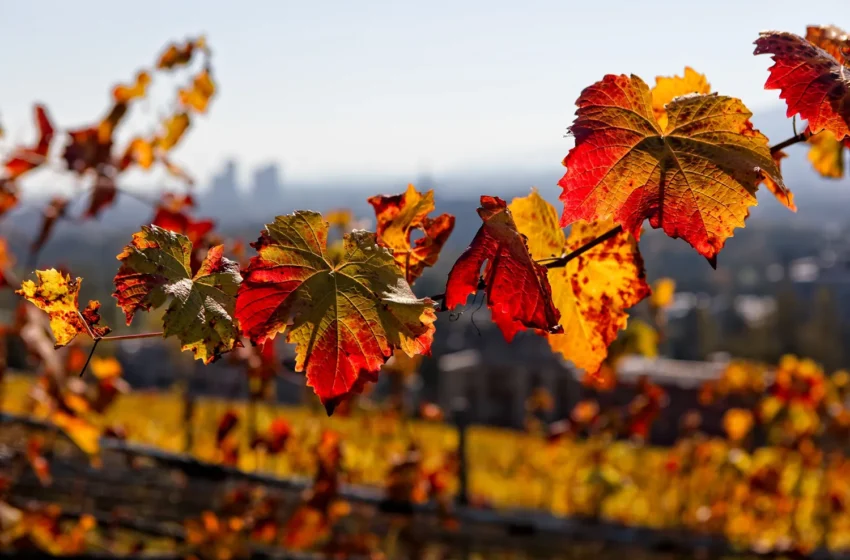
Few experiences capture the soul of Tuscany like a Florence vineyard tour. Within an hour of the Duomo, the city gives way to cypress-lined lanes, stone farmhouses and hillsides striped with Sangiovese vines that have been cultivated since the Renaissance. Whether you dream of swirling a glass of Chianti Classico in the cellar where it was born, sharing a long Tuscan lunch with a winemaking family, or building an entire journey around the region’s great appellations, this guide covers everything you need to plan the right vineyard experience from Florence: the wine zones worth visiting, how group and private formats compare, what a typical day looks like, and how to turn a single tasting into a full wine-travel itinerary through Italy.
Why Take a Florence Vineyard Tour?
Florence is the gateway to some of the most celebrated wine country on earth. The city sits at the northern edge of the Chianti hills, which means genuine working wine estates — not tourist reconstructions — begin barely 20 kilometres from the historic centre. No other major Italian art city offers such immediate access to vineyards of this calibre.
A vineyard tour adds a dimension to a Florence trip that museums alone cannot. In the cellars you taste the landscape you have been admiring from the road: the galestro and alberese soils, the altitude, the centuries of accumulated know-how that turn Sangiovese grapes into wines of remarkable elegance. Visits typically include a walk through the rows of vines, a tour of the fermentation halls and barrel cellars, and a guided tasting that pairs the estate’s wines with olive oil, pecorino cheese, cured meats and bread baked on the property.
There is also a practical argument. Tuscan wine estates are scattered across countryside with narrow, winding roads, and tasting responsibly does not combine well with driving. A well-organised tour solves logistics, secures appointments at estates that do not accept walk-ins, and puts an expert at your side to translate — literally and figuratively — what is in the glass. For travellers who love wine and gastronomy, it is consistently the most memorable day of a Tuscan holiday, and often the spark for a longer wine journey through Italy.
The Best Wine Regions to Visit on a Florence Vineyard Tour
“Tuscan wine” is really a family of distinct zones, each with its own character, grape emphasis and scenery. Knowing the differences helps you choose the vineyard tour that matches your taste. For a deeper dive into the most famous of them, see our Chianti wine region guide.
Chianti Classico
The historic heartland between Florence and Siena, marked by the Black Rooster (Gallo Nero) seal. Villages such as Greve, Panzano, Castellina and Radda are surrounded by estates producing Sangiovese-based wines of real depth — from approachable annata bottlings to structured Riserva and Gran Selezione. This is the classic choice for a first vineyard tour from Florence, and the closest of the great appellations to the city.
Chianti Rufina
A small, high-altitude district northeast of Florence along the Sieve river. Cooler nights give Rufina wines a fresher, more perfumed profile, and the zone’s proximity to the city makes it ideal when time is short. It remains far less visited than Chianti Classico, which many travellers count as a virtue.
Carmignano
West of Florence, one of the world’s oldest legally delimited wine zones — protected by a Medici decree of 1716. Carmignano blends Sangiovese with Cabernet, a tradition that predates the Super Tuscan phenomenon by centuries, and pairs beautifully with visits to Medici villas.
San Gimignano
Famous for its medieval towers, San Gimignano is also the home of Vernaccia, Tuscany’s most distinguished white wine — crisp, mineral and historically praised by Dante. A vineyard tour here combines white-wine tasting with one of Italy’s most photogenic hill towns.
Montalcino and Montepulciano
Further south lie Brunello di Montalcino and Vino Nobile di Montepulciano, two of Italy’s most prestigious reds. They sit beyond comfortable half-day range of Florence, which is precisely why they shine on multi-day itineraries rather than rushed day trips.
Comparing the Wine Zones: Which Florence Vineyard Tour Suits You?
Every zone rewards a visit, but they suit different travellers. The comparison below summarises the essentials so you can match the wine country to the experience you are looking for.
| Wine zone | Signature wine | Distance from Florence | Best for |
|---|---|---|---|
| Chianti Classico | Chianti Classico DOCG (Sangiovese) | Very close — begins ~30 min south | First-time visitors, iconic landscapes, historic cellars |
| Chianti Rufina | Chianti Rufina DOCG | Closest — ~30 min northeast | Short visits, fresher mountain-style Sangiovese, fewer crowds |
| Carmignano | Carmignano DOCG (Sangiovese + Cabernet) | ~40 min west | Wine history lovers, Medici villas, original “blended” tradition |
| San Gimignano | Vernaccia di San Gimignano DOCG (white) | ~1 h southwest | White-wine drinkers, medieval architecture, photography |
| Montalcino / Montepulciano | Brunello di Montalcino, Vino Nobile | ~1.5-2 h south | Collectors and connoisseurs, multi-day wine itineraries |
If it is your first vineyard tour from Florence, Chianti Classico delivers the archetypal Tuscan experience with the least travel time. Wine lovers returning for a second visit tend to branch out to Rufina or Carmignano for their distinctive personalities, while Brunello and Vino Nobile justify slowing down and staying overnight — the pace at which serious wine travel reveals itself best.
What to Expect on a Vineyard Tour from Florence

Most vineyard tours follow a rhythm that has barely changed in generations, because it works. You leave Florence in the morning and within half an hour the suburbs dissolve into hills. At the first estate, the visit usually starts among the vines themselves: your host explains how altitude, exposure and soil shape the grapes, and — depending on the season — you may see bud break, green harvest or the vendemmia in full swing.
Then comes the cellar: stainless-steel fermentation tanks alongside the big Slavonian oak casks and French barriques where the Riservas rest. Finally, the part everyone remembers — the tasting. A typical session covers three to five wines, moving from a young Chianti through Riserva bottlings to a Super Tuscan or a sweet Vin Santo served with cantucci biscuits. Good hosts teach you to read colour, aroma and structure without jargon, and estate tastings are almost always accompanied by Tuscan food: bruschetta with the property’s own olive oil, pecorino, finocchiona and other local salumi.
Full-day experiences generally include a proper lunch — often at the winery itself — and a stop in a hill town such as Greve in Chianti or San Gimignano. Expect comfortable transport, small groups, and around two estates in a day; cramming in more sounds efficient but leaves no room for the unhurried conversations with winemakers that make these visits special. Wear comfortable shoes for the vineyard walk, bring a layer for the cool cellars even in August, and leave space in your luggage: almost everyone goes home with bottles.
Group or Private? Choosing the Right Format for Your Vineyard Experience
The second big decision after “where” is “how”. Group tours are sociable and well-priced: you share the day with a handful of fellow wine lovers, the itinerary is fixed, and the atmosphere around the tasting table is part of the fun. For solo travellers and couples who enjoy meeting kindred spirits, a small group is often the most enjoyable option — and it is the spirit behind our group wine tours in Italy, designed for English-speaking travellers who want expert guidance with congenial company.
Private tours trade that sociability for total flexibility. The itinerary bends to your interests: linger an extra hour at an estate you love, add a producer whose wines you collect, schedule around a long lunch, or travel with your own group of family or friends. Accessibility needs, celebrations and special requests — vertical tastings, meetings with winemakers, visits timed to the harvest — are all far easier to arrange privately. If you value setting your own pace, browse our private wine travels in Italy to see how a tailor-made itinerary takes shape.
A useful rule of thumb: choose a group departure when you want the region brilliantly organised for you and enjoy shared tables; choose private when the trip marks an occasion, when your party already fills a vehicle, or when your wine interests are specific enough that a fixed itinerary would feel like a compromise. Either way, insist on small numbers — vineyard visits lose their magic in a crowd.
Beyond the Day Trip: Multi-Day Wine Tours from Florence

A day among the vines is a wonderful introduction — and almost everyone who takes one wishes they had longer. Multi-day wine tours transform the experience: instead of sampling one zone, you follow a thread through several, staying in wine country itself, dining where the winemakers dine, and tasting with the unhurried attention that great bottles deserve.
Florence is the perfect starting point for such a journey. Our Food & Wine Tour in Florence, Bologna and Turin traces a route through Tuscany, Emilia-Romagna and Piedmont, linking three of Italy’s greatest gastronomic capitals in a single itinerary, with departures in October and November. Travellers who prefer to concentrate on landscapes can join Travel through the Landscapes and Vineyards of Tuscany and Piedmont, which pairs the Sangiovese country around Florence with the Nebbiolo hills of the north, while the compact Tuscan Adventure: Among Vineyards and Charming Villages distils the region’s essentials — vines, hill towns and long tables — into a long weekend. For a different Italian register, our private Verona and Lake Garda itinerary explores the wine country of the Veneto at the same relaxed pace.
These journeys belong to a broader collection of wine tours in Europe built on the same principles: small groups, genuine estates, and food treated as seriously as wine. If the gastronomic side is what excites you most, our guide to food and wine tours in Italy explains how the country’s regional kitchens and cellars intertwine.
How Long Does a Florence Vineyard Tour Take?
Plan around three standard formats. A half-day tour lasts roughly four to five hours, visiting one or two estates in the nearest stretches of Chianti or Rufina; it fits neatly into a morning or afternoon and leaves time for museums the same day. A full-day tour runs eight to ten hours, comfortably combining two wineries, a leisurely lunch and a hill town — the format most travellers find ideal for a first visit, because it removes all sense of hurry.
Multi-day itineraries are the third tier, and they change the mathematics entirely. With three to ten days you can compare Chianti Classico with Brunello country, cross into Piedmont or Emilia-Romagna, and experience the rhythm of wine country in the evenings, after the day visitors have gone — many estates and villages are at their most beautiful at dusk. Our Florence-based itineraries range from a four-day Tuscan escape to a ten-day route reaching Bologna and Turin.
When budgeting your time, remember that distances in Tuscany are deceptive: 40 kilometres of hill roads take far longer than a motorway map suggests, which is why good tours visit two estates rather than four. If your schedule in Florence is tight, choose the nearest zones (Rufina, northern Chianti Classico) over ambitious loops. And if wine is a central reason for your trip rather than a pleasant extra, be honest with yourself at the planning stage: a single afternoon among the vines has converted many casual drinkers into travellers who now build entire holidays around wine regions.
Can You Visit Vineyards Near Florence Without a Car?
Yes — and for tastings, you arguably should. The wine zones around Florence are rural by nature: estates hide down gravel lanes, public transport reaches the main villages but rarely the wineries themselves, and Italian drink-driving limits are strict and enforced. Relying on a designated driver or an organised tour is both the safest and the most relaxing solution.
A few practical options exist for independent travellers. Regional buses connect Florence with Greve in Chianti and other market towns, from which a handful of producers are walkable; the train reaches Rufina and San Gimignano’s gateway at Poggibonsi; and taxis can be arranged for individual estate visits, though return journeys from remote properties require planning. These approaches work, but they limit you to a narrow selection of estates and consume energy better spent enjoying the day.
An organised vineyard tour dissolves all of these constraints at once: door-to-door transport from Florence, access to family estates that only receive visitors by appointment, no navigation on unfamiliar roads, and the freedom for everyone in your party — including whoever would otherwise have driven — to taste every wine poured. On multi-day itineraries the advantage compounds, as the route threads between regions, hotels and restaurants with every transfer handled. For travellers who prize independence, a private tour offers a middle way: your own vehicle and driver, but an itinerary shaped entirely around your wishes.
When Is the Best Time of Year for a Vineyard Tour in Florence?
Tuscany’s vineyards are genuinely a year-round destination, but each season offers a different experience. September and early October are the most coveted weeks: the vendemmia (harvest) fills the estates with activity, the air smells of crushed grapes, and with luck you will watch fruit arriving at the crush pad during your visit. The landscape turns gold and russet, and the light is extraordinary. Book well ahead — this is high season for good reason.
Late spring, from April to June, is the connoisseur’s alternative: vivid green vineyards, wildflowers between the rows, mild temperatures ideal for walking the vines, and fewer visitors than autumn. Summer is beautiful but hot; choose morning visits and remember that cellars remain deliciously cool at 14-16 °C whatever the thermometer says outside. July and August also bring the largest crowds to Florence itself, so a day in the countryside doubles as an escape.
Winter is the insider’s season. From November to March the estates are quiet, winemakers have time for long conversations, and tastings turn contemplative — new wines resting in barrel, olive oil freshly pressed in November and December. Some smaller properties reduce their visiting hours, which is one more argument for an organised tour with confirmed appointments. Our own Italian departures concentrate on late September through November precisely to catch the harvest and the new oil: arguably the most atmospheric window in the entire Tuscan year.
Do You Need to Book a Florence Vineyard Tour in Advance?
For anything beyond a casual cellar-door stop, yes. The best Tuscan estates — particularly the small, family-run properties that make visits memorable — receive guests only by appointment. They are working farms, not visitor centres: someone must leave the cellar or the vineyard to welcome you, so numbers are capped and slots fill quickly. In harvest season and over holiday weekends, the most sought-after estates can be fully booked weeks in advance.
As a guideline, reserve day tours at least two to three weeks ahead for spring and autumn travel, and earlier if your dates fall in late September or October. Private tours need more lead time than group departures, because the itinerary is built around you: securing specific estates, restaurants and specialist experiences (vertical tastings, harvest participation, truffle hunting alongside the wine) is a matter of coordination, not luck. Multi-day wine journeys should be planned one to several months out, since they combine winery appointments with hotels in small towns where the best rooms are limited.
Booking ahead has a quality dividend beyond mere availability. When an estate knows who is coming — your language, your interests, your level of wine knowledge — the visit is tailored accordingly: an oenophile group may descend into the vinsantaia or taste barrel samples, while a first-timer gets a friendly initiation with no intimidation. Last-minute travellers are not entirely out of luck, especially in winter, but they choose from what remains rather than from what is best. Wine country rewards those who plan like the winemakers do: with patience and a calendar.
Which Wines Will You Taste on a Vineyard Tour Near Florence?
Sangiovese is the thread running through almost every glass. Around Florence it appears as Chianti and Chianti Classico in their annata, Riserva and Gran Selezione tiers — wines of bright cherry fruit, firm acidity and a savoury, earthy finish that makes them extraordinary companions to food. Tasting the same grape at different quality levels, side by side in the cellar where it was raised, is the single most instructive experience a vineyard tour offers.
Beyond Sangiovese, expect encounters with the so-called Super Tuscans — ambitious blends, often including Cabernet Sauvignon or Merlot, that emerged when producers stepped outside the traditional rules — as well as Carmignano’s historic Sangiovese-Cabernet marriage and, in San Gimignano, the saline white Vernaccia. Most estates finish tastings with Vin Santo, the amber dessert wine made from grapes dried on straw mats, served with almond cantucci for dunking. Nearly every property also produces extra-virgin olive oil, and a proper tasting of a peppery, freshly pressed Tuscan oil is a revelation in its own right.
A worthwhile tour teaches you how to taste as much as what to taste: assessing colour against a white background, releasing aromas with a gentle swirl, letting the wine cover the whole palate before judging. None of it requires expertise — only curiosity. And if the tasting awakens a deeper interest, the natural next step is to widen the map: Piedmont’s Nebbiolo, Veneto’s Amarone and the great wines of Emilia-Romagna all feature in our Italian itineraries, turning a single afternoon’s discovery near Florence into a lifelong travel theme.
Plan Your Florence Vineyard Tour with Viavinum
A Florence vineyard tour can be a delightful afternoon or the opening chapter of a great wine journey — the difference lies in the planning. Choose the wine zone that matches your taste, decide between the conviviality of a small group and the freedom of a private itinerary, time your visit for harvest or spring, and book far enough ahead to secure the estates that make Tuscany unforgettable. At Viavinum we design wine travel exactly this way: real working estates, tables set with the region’s food, small groups and unhurried days. Explore our Italian departures from Florence, or tell us what your perfect week in wine country looks like — and we will build it around you.
